
The exceptional automobile: a patrimonial approach based on expertise
An exceptional automobile combines mechanical architecture, aesthetic identity and a history whose coherence determines its collector’s appeal. Its analysis requires a precise reading of the model, but above all of the example: two automobiles from the same series can have significantly different values depending on their authenticity, provenance and condition.
At The A, our philosophy is based on a conviction: the relevance of an acquisition is built by the quality of the selection, the depth of the analysis and the discipline of the entry price.
The real scarcity
The volume of production constitutes a first indicator. It must be compared with the number of surviving examples, their configuration and their level of preservation. A specific engine, a particular bodywork, a rarely-disseminated factory specification, or a documented sporting history can distinguish a car within its own series.
The truly accessible offer also depends on the frequency with which reference copies are made available on the market. This limited availability can support desirability; however, it is not sufficient on its own to establish value.
Authenticity and traceability
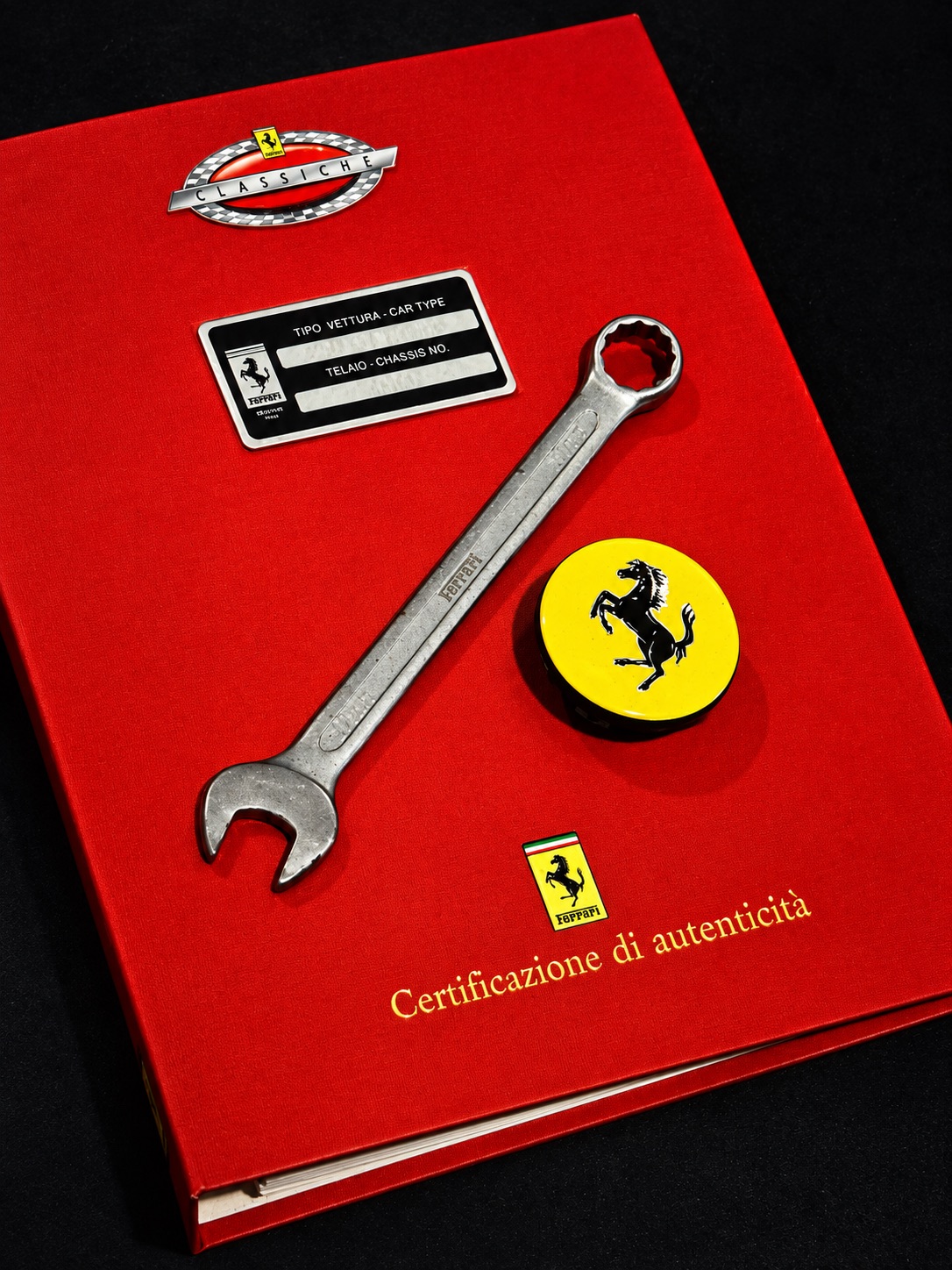
The identification of the chassis, the consistency of the mechanical numbers when they are verifiable, compliance with the delivery specifications and the continuity of the documentation are decisive elements.
Production files, manufacturer archives, invoices, maintenance records and historical photographs allow the current characteristics of the vehicle to be compared with its history. The «matching numbers» qualification must therefore be based on evidence and a clearly defined scope.
Restoration is appreciated not only for the respect shown for the materials, processes and original specifications, but also for the quality of its execution. A preserved copy and a car restored according to the rules of the art meet different criteria, which must be specified.
Technical integrity
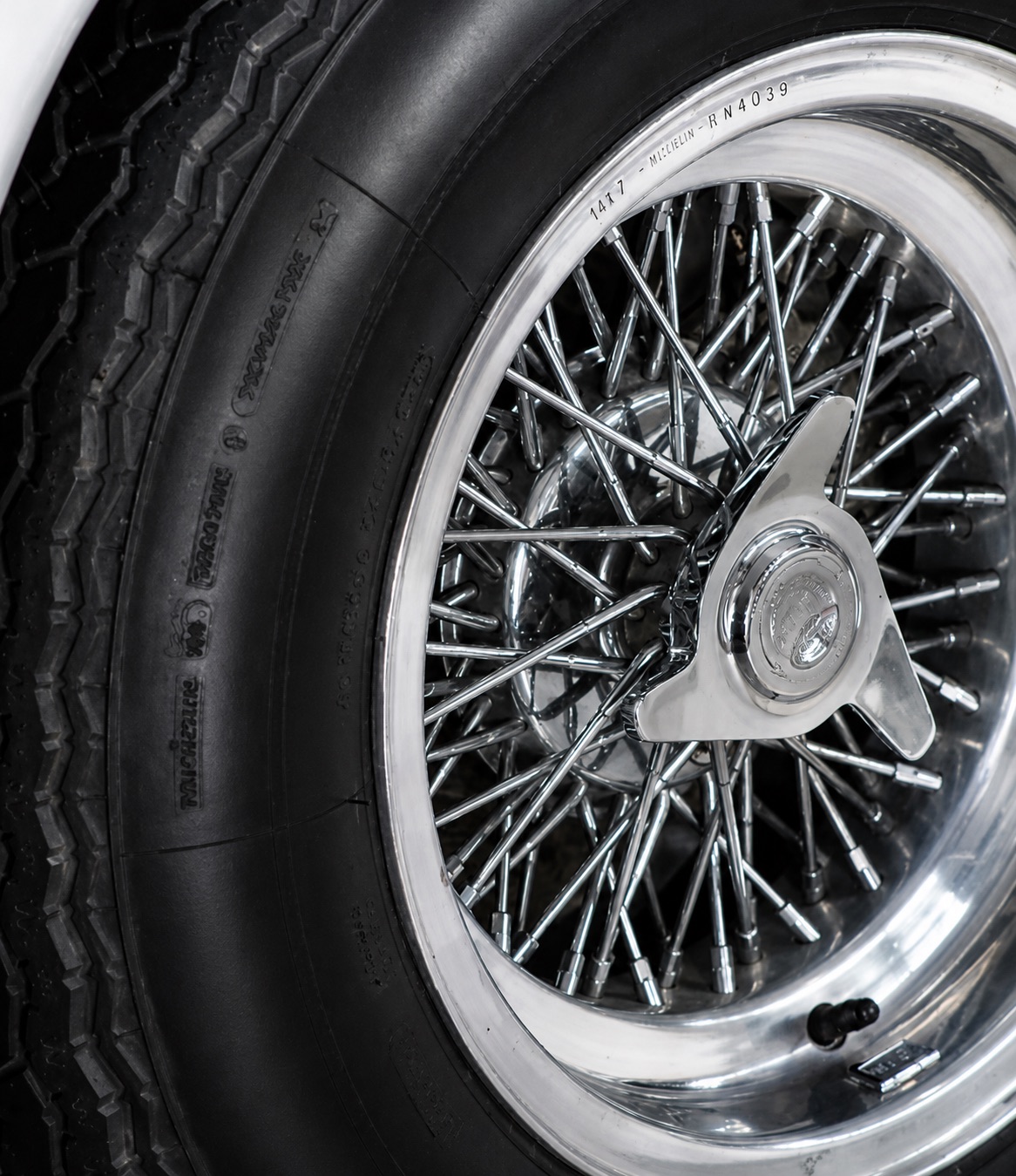
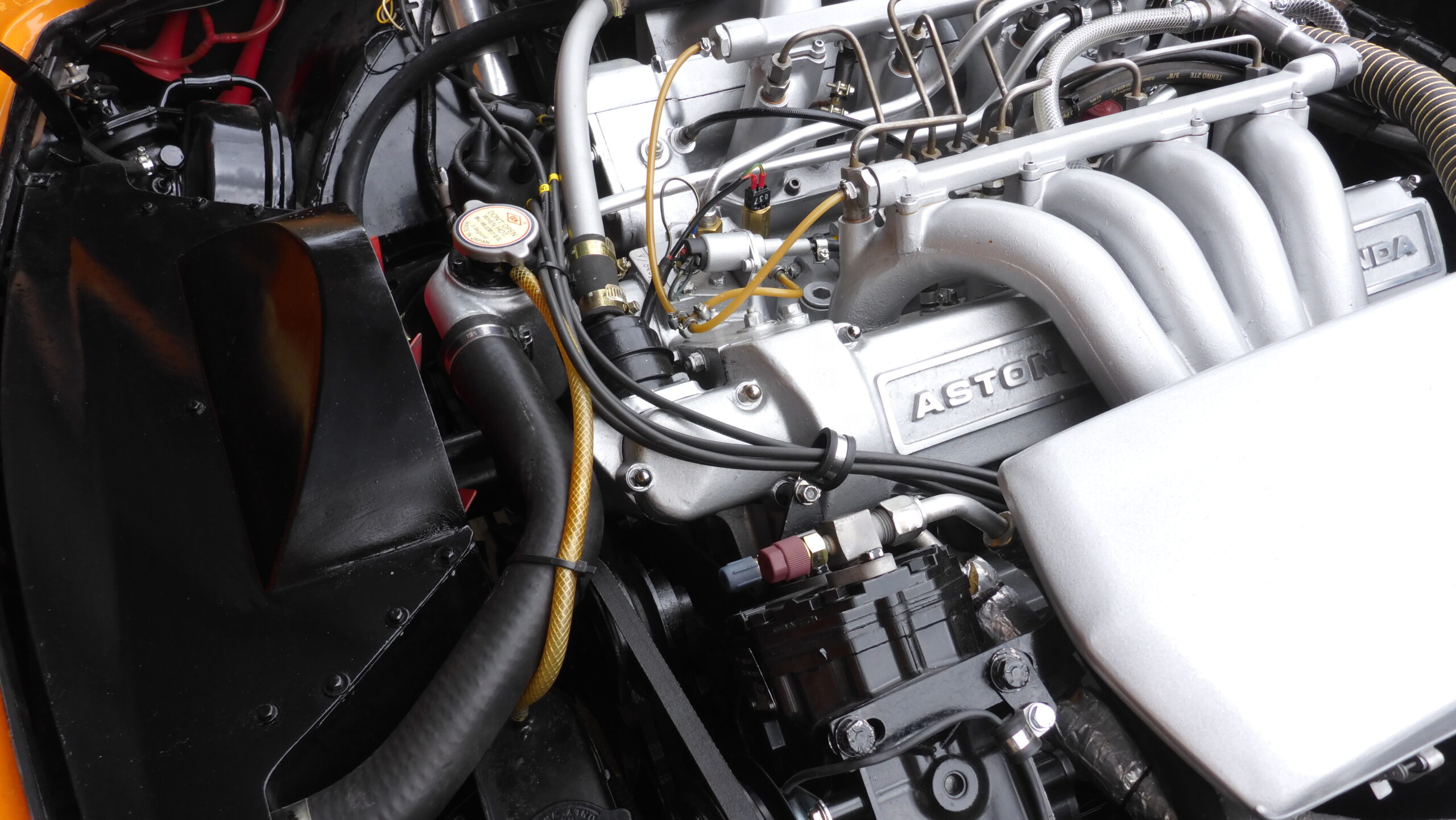
The examination covers the structure, the bodywork, the assemblies, any possible corrosion and traces of previous interventions. It extends to the powertrain, the transmission, the rolling stock, the braking system, the cooling circuits and the electrical equipment.
Depending on the vehicle, compression measurements, cylinder seal check or electronic diagnostics can complement the inspection. Mileage is interpreted in light of available documentation, observed wear and the regularity of maintenance.
This reading allows us to assess the actual condition of the car and identify the expenses that could affect its cost of ownership.
An evaluation based on relevant comparables
The estimate requires distinguishing between the prices displayed and the transactions actually concluded. The references used must be comparable in terms of version, provenance, configuration, authenticity and condition.
Market prices and auction results require a homogeneous reading of fees and the context of the sale. A single transaction does not constitute a universal benchmark: value is assessed within a justified range, taking into account the specifics of the item and the depth of the market.
A perspective of long-term detention
The heritage approach integrates the acquisition price, transaction costs, maintenance, insurance, storage, and any conservation work. It also considers the conditions for resale: time frame, sales channel, and the number of potential buyers.
A collector's car remains a tangible asset with variable liquidity. Its value can move up or down. Any potential appreciation must therefore be considered in light of the total cost of ownership and the intended horizon.
The A requirement
Our approach favors automobiles whose uniqueness can be explained, whose history is supported by evidence, and whose condition is rigorously appreciated. Passion guides interest; analysis forms the basis of decision-making.
Our expertise illuminates the choices, reduces the risk of error, and allows us to assess the potential for long-term value creation.
Our experience refines this discernment: it enables us to distinguish the qualities that underlie lasting value from the fleeting attractions of the market.
Acquiring an iconic, exceptional automobile means choosing a piece of mechanical history, organizing its preservation, and preparing for its transfer.
« We are not looking for the rare. We are looking for what will remain exceptional.»