The Collection Objects: the value of a testimony, the requirement of detail
Some objects transcend time by retaining a particular presence. They bear witness to a skill, an invention, a use, or a moment of creation. Their collector’s appeal arises from the interplay between this significance and the unique qualities of the piece: design, execution, authenticity, and preservation.
However, watchmaking, furniture, decorative arts or historical objects are subject to different criteria. A general knowledge of the market is not enough to appreciate them. At The A, each purchase requires an appropriate reading based on its category, its manufacture and its history.
Understanding what is being referenced
The first requirement is to situate the object within its context. It can represent a technical advance, a characteristic achievement of a manufacturer, an important collaboration, or the particularly accomplished expression of a skill.
The study approximates its conception of the known productions: model, period, materials, dimensions, finishes and variants. It seeks to determine what belongs to ordinary manufacture, a particular order, a prototype or an exceptional realization.
Quality of execution retains a central place. Precision of assembly, balance of proportions, work on surfaces and mastery of details allow one to appreciate the piece beyond the prestige of its signature. A recognized name constitutes a starting point; the object must then justify its interest through its own qualities.
The originality of the play and the coherence of its components
An object may have been maintained, repaired, or transformed during its lifetime. Its examination must establish the extent to which it retains the elements that defined its initial realization.
Signatures, stamps, labels, references and numbers must be aligned with the manufacturing characteristics. Their location, graphic design and compatibility with the declared period must be studied. A genuine mark affixed to a component is not sufficient to establish the integrity of the whole.
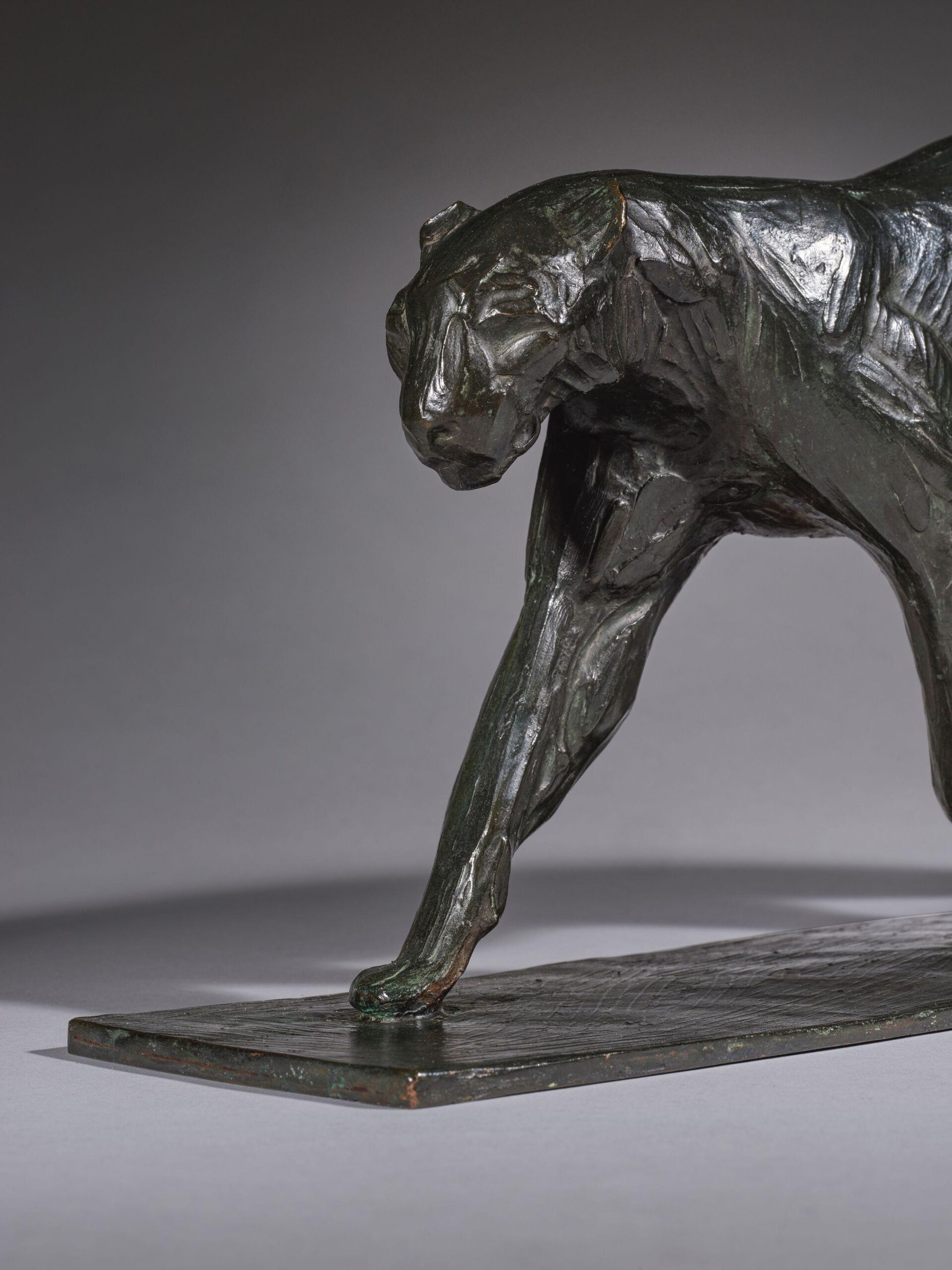
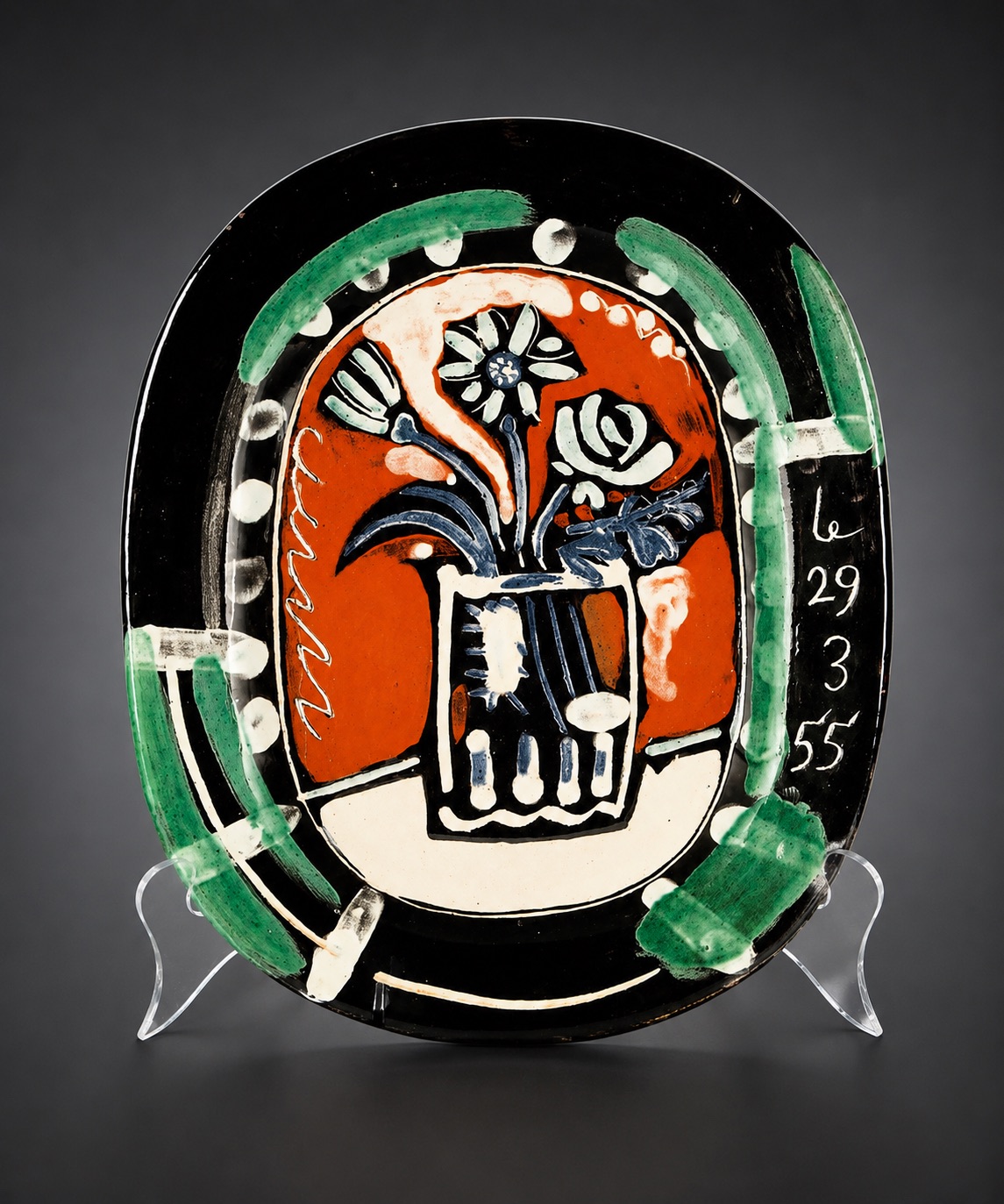
For furniture, this reading focuses in particular on structure, assembly, veneers, bronzes and finishes. In decorative arts, it considers materials, processes, frames and elements incorporated.
Replacement parts must be accurately identified: period piece, service component, reproduction or later adaptation. Their impact depends on their function, visibility and importance in the object’s identity.
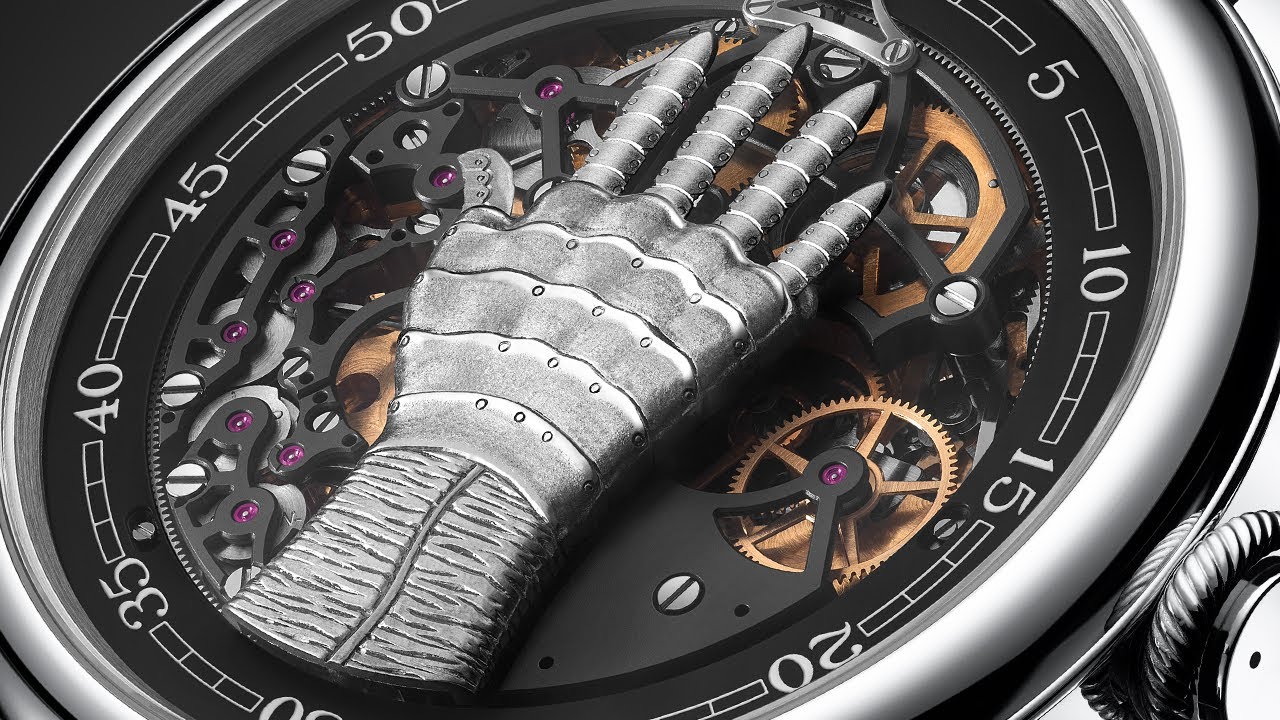
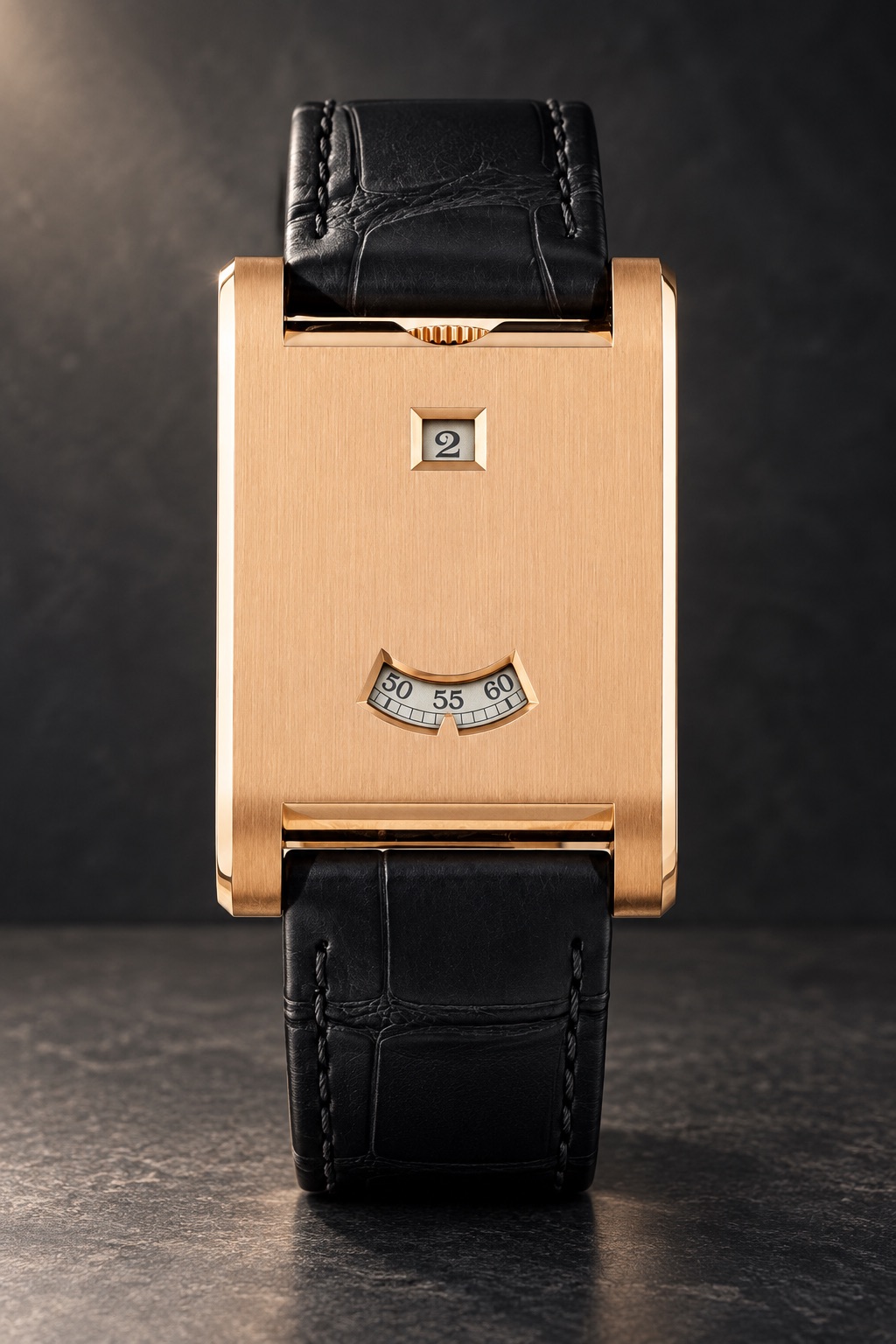
Watches: Particular attention to the original configuration and the fake
For a collector’s watch, the reference and the production period must be closely aligned with the characteristics of the case, the caliber, the dial, and, where relevant, the bracelet. The dial variants, signatures, and luminescent components can significantly influence the desirability of the timepiece.
The examination also considers the geometry of the case, the legibility of the engravings, and the traces of polishing. The history of revisions allows identifying the replaced parts: a serviceable component can meet a functional need while at the same time modifying the collector’s interest.
Finally, the accuracy of the movement, the condition of the movement and the functioning of the complications must be assessed by a qualified watchmaker. Water resistance is never assumed.
The marks of time and the limits of intervention
The state of conservation requires a judgment specific to each material. An old patina can contribute to the interest of a piece; active corrosion, fragility, or unstable repair can compromise its conservation.
Polishing, stripping, refinishing and restoration must be appreciated according to their extent. An intervention intended to improve the appearance can erase edges, soften a decor, alter an inscription or make a historical surface disappear.
The examination distinguishes wear related to use, accidents and modifications. It looks for structural weaknesses, material losses, assembly defects and previous treatments. For mechanical objects, apparent operation must be complemented by an assessment of the internal condition and the maintenance requirements.
Quality restoration requires an appropriate intervention that is documented and respectful of the significant characteristics of the piece. Its value is not measured solely by the final result.
Documenting history without lending it more than it demonstrates
A provenance can give an object an additional historical dimension. However, it is necessary to establish the link between the piece and the people, places, or events to which it is associated.
Invoices, inventories, manufacturing archives, correspondence, and old photographs provide verification elements. Descriptions must be precise enough to avoid confusing several copies of the same model.
An attribution to a famous collection, a special order, or historical use requires evidence commensurate with the importance of the claim. A family tradition or a commercial narrative can guide a search; their scope must remain distinct from that of an identifiable document.
The interest of the subject must be explained by separating the established facts, the argued hypotheses, and the points that remain unknown.
The completeness and status of the copy
The presence of accessories or documents can significantly alter the assessment of an item. Enclosures, certificates, original invoices, removable components, or associated instruments must be examined to determine whether they actually correspond to the object.
A complete set is not defined in a uniform way. Depending on the field, the absence of an accessory can be secondary or strongly affect the interest in collecting it. The quality and consistency of the elements combined matter as much as their number.
Limited series also require precise reading. The announced edition must be compared with its variants, later versions, and copies that may have been produced outside the main series. A numbering indicates an edition; it does not, by itself, demonstrate significant rarity.
The difficulty in finding an equivalent copy in a comparable condition often constitutes a more useful indicator than the initial volume of production alone.
The real demand behind scarcity
A rare object may interest a very limited circle of collectors. Assessing its value therefore requires understanding who is looking for it, why, and at what frequency.
Comparisons must integrate the differences in reference, manufacture, originality, preservation, and completeness. Two visually similar pieces can have significant differences when one retains its original components and documents, while the other has been extensively reassembled.
The prices offered must be distinguished from the sales concluded. Public results require a careful reading of the fees, descriptions, and presentation conditions. A single isolated record may reflect a particular provenance or the occasional meeting of several buyers.
The price appreciation is based on a set of coherent references, while taking into account the frequency of transactions and the time required to find a buyer. The usage value, historical interest and market value may evolve according to different logics.
Preserving the object and the knowledge that accompanies it
Conservation begins with an understanding of materials and their vulnerabilities. Wood, leather, paper, metals, enamels, or mechanisms require suitable conditions, sometimes difficult to reconcile within the same room.
Manipulation, exposure, maintenance and transport must be organized accordingly. For a functional object, the frequency of use must be assessed in light of its fragility, the availability of parts, and the possibility of intervening without altering its original character.
Review reports, detailed photographs and incident reports constitute useful documentation. They allow the evolution of the condition to be monitored and accurate information to be transmitted to the next holder.
The acquisition cost must therefore be considered along with the costs of conservation, insurance, and maintenance. The conditions of a possible resale are also part of the consideration: market specialization, sales channel, fees, and the time required for the sale. No scarcity of resources excuses this measure.
The discernment The A
One great name is not enough.
We pay particular attention to objects whose interest resists examination: a controlled realization, a clearly established identity, and a state whose qualities and limitations can be explained.
Our selection is based on the ability to recognize what deserves to be preserved and on the necessary rigor to understand its value. Each piece must find its justification in its characteristics, its history, and the place it can occupy within a collection.
Collecting is preserving witnesses to ingenuity and taste, while preserving with them the knowledge that gives them their full meaning.
« We are not looking for the rare. We are looking for what will remain exceptional.»